films
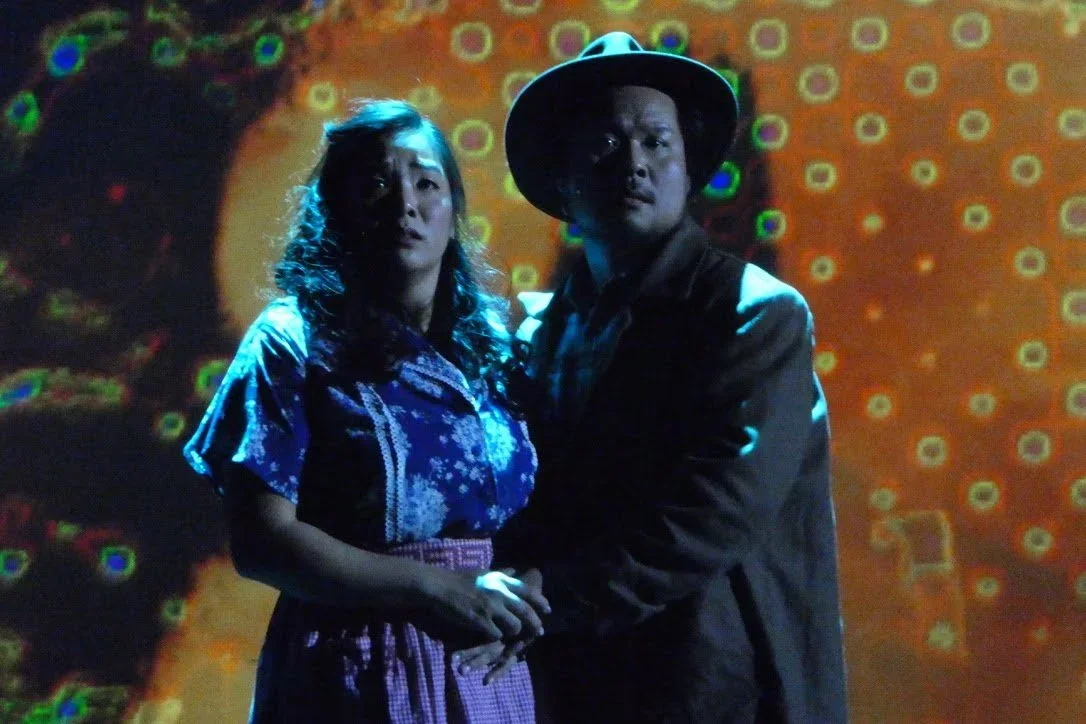
Both Eyes Open
Both Eyes Open is an operatic telling of the incarceration of Japanese Americans during World War II. Rather than a historical recounting, Both Eyes Open offers an impressionistic narrative centering on the psychological trauma of the American concentration camps.
America is a fertile land. It grows things. Potatoes and Daikon, Exclusion Acts and Executive Orders. Both Eyes Open frames the current rise in Anti-Asian and immigrant hatred as coming from the same source that grew the incarceration of Japanese Americans in 1942.
Both Eyes Open is a collaborative vision. Max Giteck Duykers has composed this remarkable score. Missy Weaver has given all to steward the project from the beginning. We mash up lyrical with raucous, ambitious aesthetic with vaudevillian low brow, social justice with the metaphysical. We sincerely hope you enjoy the ride.
in the dominion of night
Inspired by the novel Hunger by Knut Hamsun
in the dominion of night features Joe Ozu as joe ozu. Dan Kuramoto, Danny Yamamoto and Taiji Miyamoto as the new orientals. Directed by Diane Takei Gotanda. Filmed at the Asian American Theater Company and East West Players in Los Angeles.
A spoken word play with music. Joe and the Orientals wear black suits with opened collar white dress shirts, loosened ties, suspenders, black wingtips. Joe, unshaven, stands at the mike holding sheets of paper which he reads from. Behind him the New Orientals: a string bass player, drummer on brushes and a horn player. The New Orientals are very 50’s bohemian with a 90’s sense. A kind of neo-romantic post yellow meditation.
Body of Eyes
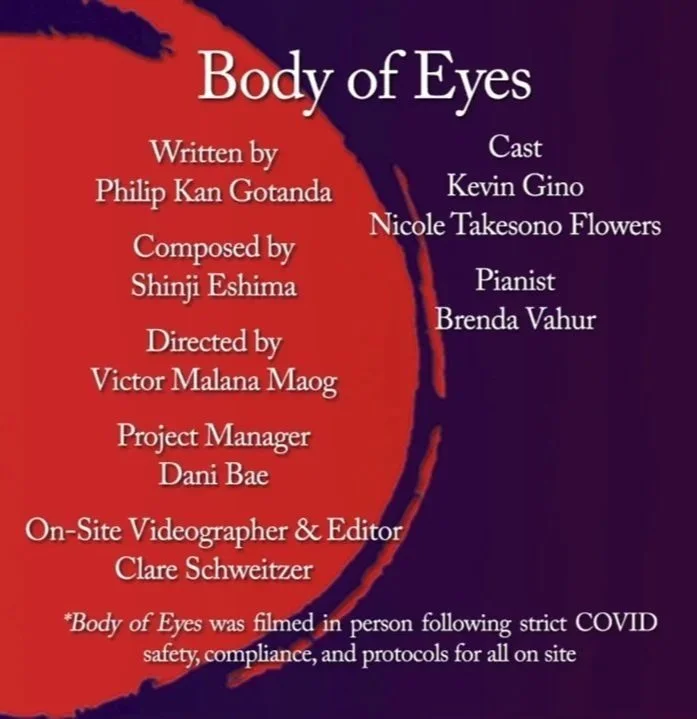
Is from a song cycle written in collaboration with composer Shinji Eshima.
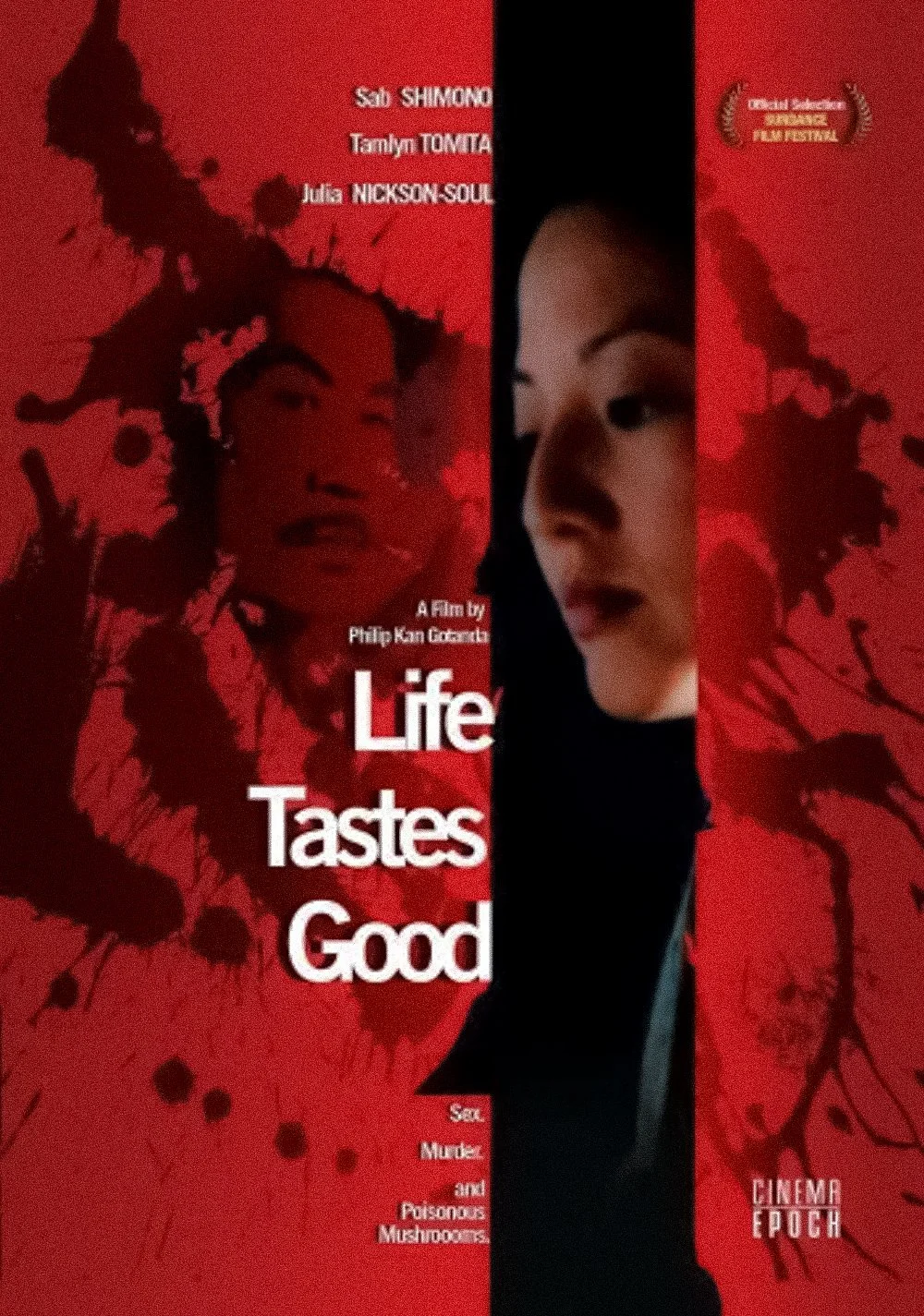
Two San Francisco detectives discover a corpse in an abandoned car. From the dead man's wallet and a tape recorder, they determine the man was a money launderer. The story is then told in flashback, narrated by the dead man. Seems he was being pursued after robbing a partner who had been robbing him. Hiding out in a warehouse, he tries to re-establish contact with his children. In the warehouse, he then is contacted by a woman who frequents it because her husband died there and becomes obsessed with its new inhabitant as the reincarnate of her husband. Of course, following all of these goings-on, he ultimately must face down his pursuers.
Life Tastes Good (1999)
Drinking Tea (1996), 30min
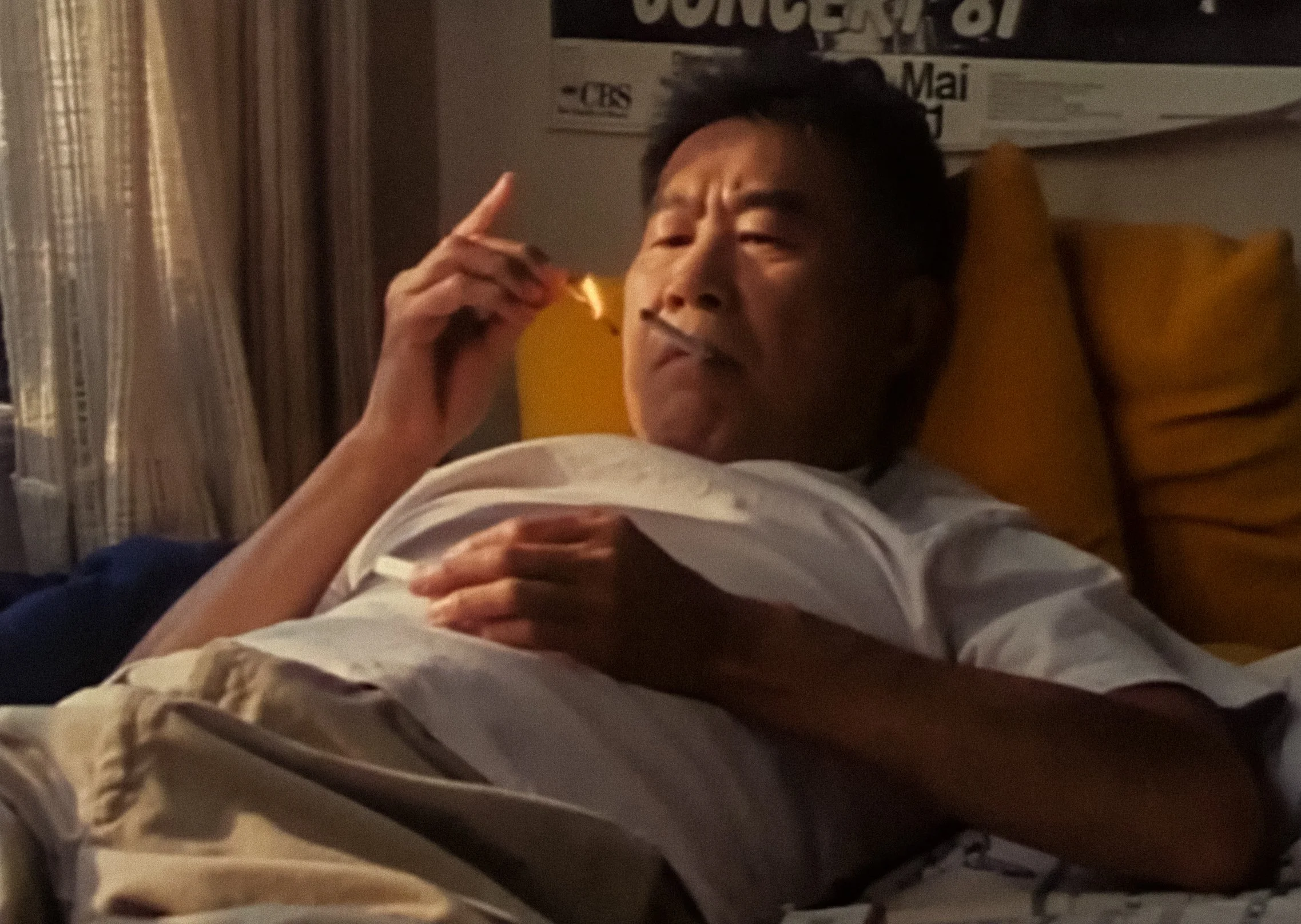
A dying man leaves his younger wife without explanation to move in with an older woman. The older woman, like him, is also dying and the protagonist stays with her until her death. After she passes, he returns to his wife explaining that he left her because he needed to understand death. His wife refuses to let him into the house initially, so the man sits outside all day and night, refusing to move. Though she never forgives him, his wife finally allows the man to return to the house. There the old man dies peacefully.
Screened at Sundance Film Festival and on Public Television.
The Kiss (1993), 13min
Wilfred Funai is an office worker who spends his days pushing papers, being taunted by the office bullies, and longingly sneaking peeks at an inviting piece of chocolate. An unexpected event forces Wilfred to break out of his unremarkable life to perform a heroic act and save another human being’s life. In this black and white Jacques Tati-esque homage to a laconic anti-hero, Gotanda references one of the most tragic periods in San Francisco history.
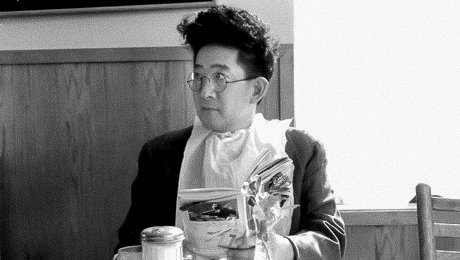
Screened at Sundance Film Festival, International Film Festival and on Public Television.
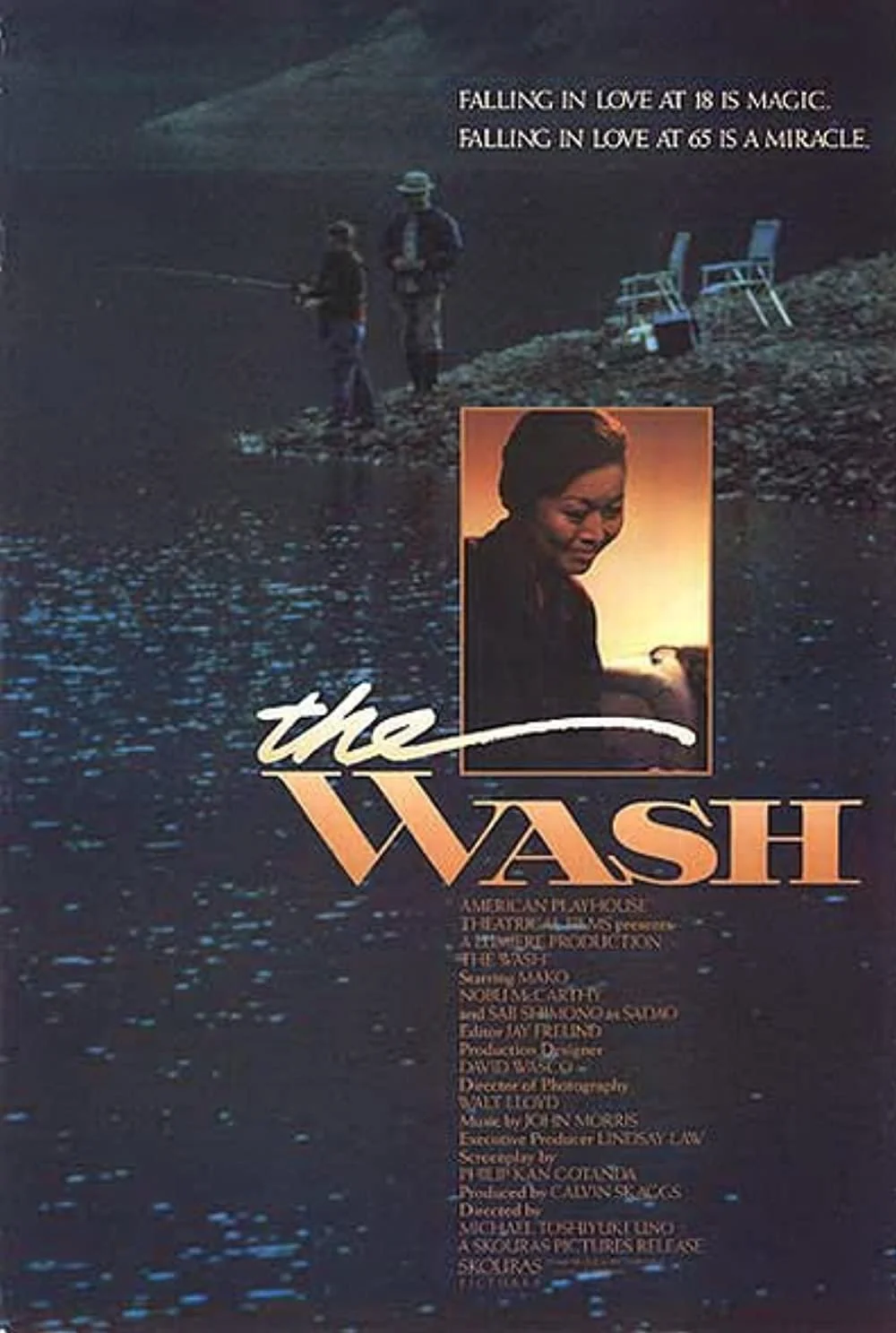
The Wash (1988), (94min)
Nobu, an old, bigoted, Japanese-American traditionalist, is unable to reconcile the needs of his wife and two daughters with his own conservative view on life, which forces them to leave him in pursuit of their own happiness.
Written by Philip Kan Gotanda, Directed by Michael Toshiyuki Uno, & Produced by Cal Skaggs